March 2, 2026
Dethatching is an essential lawn care practice that maintains the balance between healthy grass growth and a thriving outdoor environment. By understanding the various pitfalls associated with neglected dethatching, homeowners can better appreciate the importance of this yard maintenance task and the value of professional landscaping services. While often overlooked, dethatching plays a crucial role in sustaining the aesthetic and functional aspects of a well-maintained lawn.
1. Impact on Lawn Aesthetics
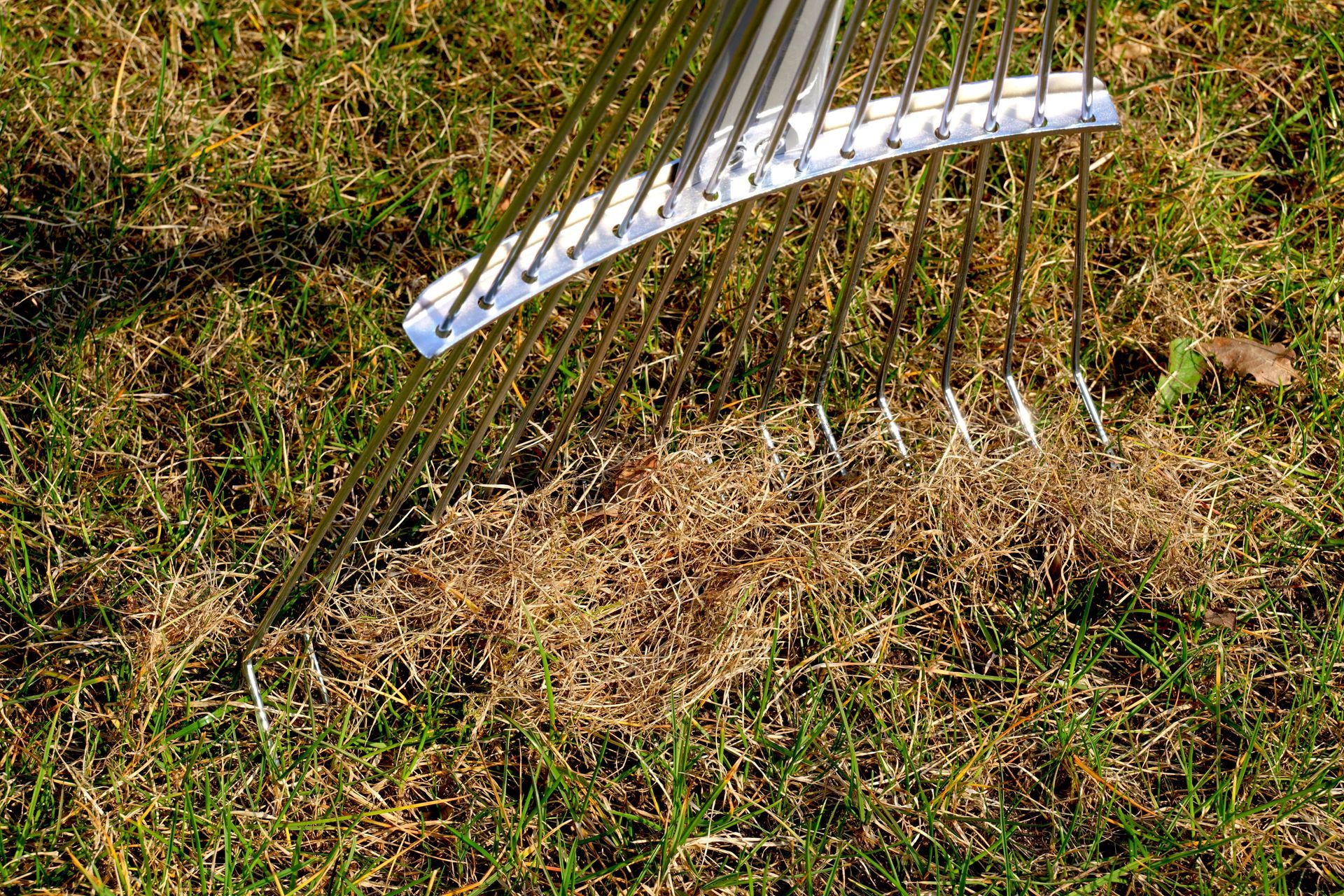
A yard that is not dethatched regularly can quickly become unsightly. The build-up of thatch leads to a dull, patchy yard that lacks vibrancy and uniformity across its surface. Over time, patches in the lawn become more pronounced as grass struggles to grow evenly amidst the dense thatch layer. This uneven growth not only detracts from the beauty of the lawn but also indicates underlying issues with grass health. Many homeowners turn to professional landscaping services when curb appeal noticeably declines.
Unwanted weeds thrive in a poorly maintained yard with excess thatch. Thatch creates a favorable environment for weeds to establish their roots, leading to an invasion that is difficult to control. As the grass becomes weaker, weeds capitalize on the opportunity to occupy spaces where grass struggles to thrive. This results in an unsightly mix of grass and weeds that further diminishes the lawn's aesthetic appeal. Routine landscaping services can help prevent weed overgrowth before it becomes overwhelming.
In addition to weed growth, the lawn's surface experiences discoloration without regular dethatching. The thatch layer obstructs sunlight and nutrients, causing areas of the grass to turn yellow or brown. This discoloration spreads across the yard, creating a patchwork appearance that is far from the desired lush, green lawn. Increased presence of dry spots can also occur due to uneven water absorption caused by thick thatch. Ultimately, these visual cues are strong indicators of neglect, and landscaping services often include dethatching as part of restoring visual appeal.
2. Effects on Grass Health
The health of the grass is significantly compromised by a thick layer of thatch. When thatch exceeds 1/2-inch in thickness, it acts as a barrier to essential nutrients, water, and air, which are vital for healthy grass growth. This obstruction leads to poor nutrient absorption, stunting grass development and adversely affecting its overall health. With time, a nutrient-deficient lawn becomes weak and loses its resistance to environmental stresses. Professional landscaping services frequently address thatch removal to promote stronger root systems.
Grass health further deteriorates when photosynthesis efficiency is decreased due to improper dethatching. Thatch shades the grass, minimizing its ability to absorb sunlight and conduct photosynthesis effectively. This process is essential for grass vitality, as it converts sunlight into glucose for energy. Without adequate photosynthesis, grass growth slows, and overall lawn health declines. Regular landscaping services help restore proper sunlight exposure and airflow to the soil surface.
According to Ohioline, a thatch layer greater than 1/2-inch thick may not only obstruct nutrient pathways but also harbor insects and create environments that invite disease. As a result, grass becomes more susceptible to diseases such as fungal infections and root rot. Without intervention, these conditions spread quickly throughout the lawn, causing widespread damage. Compromised root development also increases the lawn's vulnerability to stressors like drought or heavy rainfall, which is why many property owners rely on landscaping services to maintain healthy turf.
3. Pest-Related Issues
Neglecting to dethatch your yard can exacerbate pest problems, as dense thatch layers provide an ideal habitat for insects and pests. The warm, moist environment under the thatch serves as a perfect breeding ground for lawn-damaging insects. These pests can include grubs, chinch bugs, and sod webworms, all of which can inflict significant damage on grass. Landscaping services often identify these risk factors early and recommend dethatching as a preventative step.
Pest problems are often coupled with a rise in lawn diseases due to improper dethatching practices. Thatch that harbors insects can also trap moisture, which contributes to fungal growth and mold development. These conditions are detrimental to lawn health, spreading quickly and causing large patches of diseased grass. The visual and structural damage from disease is substantial, necessitating prompt intervention to prevent further decline. Comprehensive landscaping services frequently combine dethatching with disease management strategies.
The presence of pests and diseases can disrupt the natural ecosystem, affecting the biodiversity of a yard. As certain insects multiply unchecked, they outcompete other beneficial organisms, upsetting the biological balance necessary for a thriving landscape. This disruption can lead to long-term ecological impacts that make it harder for a yard to sustain its health without external interventions. Preventative landscaping services help maintain ecological balance through consistent maintenance practices.
4. Compromised Water Absorption
An often-overlooked consequence of neglected dethatching is compromised water absorption. Excessive thatch causes water to runoff rather than soak into the soil, leading to erosion and uneven watering. This water wastage not only affects lawn health but also results in unnecessarily high utility bills due to inefficient irrigation practices. Many homeowners consult landscaping services when they notice persistent pooling or dry patches.
Neglected dethatching contributes to the formation of swampy areas within the yard. When water accumulates on the surface due to poor infiltration, it creates patches of soggy grass that are vulnerable to disease and pest infestations. Swampy areas can harm grass roots and lead to increased occurrence of mold and fungal growth. Professional landscaping services can correct these drainage issues by removing excess thatch and improving soil conditions.
Thick thatch layers can lead to inconsistent watering practices that either stress grass due to overwatering or deprive it due to underwatering. Both conditions have detrimental effects on lawn health, compromising grass vigor and density. Overwatering might flood the yard, while underwatering can deny the grass essential moisture. Routine landscaping services address these imbalances by promoting even water distribution through proper dethatching techniques.
5. Increased Maintenance and Cost
Failure to dethatch regularly can result in increased maintenance demands and costs for lawn care. Homeowners might find themselves needing to mow more frequently as the uneven growth and presence of weeds accelerates. Constant mowing increases fuel, time, and labor expenses each month, heightening the overall burden of maintaining a healthy lawn. Landscaping services can reduce these recurring challenges through scheduled dethatching and upkeep.
In addition to more frequent mowing, neglected dethatching results in higher expenses on lawn products. Lawn care products such as fertilizers, pesticides, and herbicides may be needed more often to address symptoms of poor health and pest infestations. The accumulation of costs for these treatments over time can become exorbitant, especially if the problems persist. Investing in landscaping services can reduce reliance on reactive treatments by addressing root causes.
Time-consuming and labor-intensive repairs often follow in the wake of neglected dethatching practices. As problems compound over time, larger areas of the yard may require renovation to restore health and appearance. This could involve reseeding, aeration, or even complete replacement of damaged lawn sections. Compared to major renovations, routine landscaping services provide a more cost-effective and proactive approach to lawn management.
Regular dethatching is essential for maintaining a healthy, vibrant yard. Without it, homeowners face numerous complications that can diminish the aesthetic, health, and ecological integrity of their outdoor spaces, prompting increased effort and costs to restore balance. The comprehensive benefits of dethatching—from improved aesthetics to enhanced environmental quality—make it a necessary component of responsible lawn care. By prioritizing dethatching and partnering with trusted landscaping services, homeowners contribute to a more robust, sustainable, and enjoyable outdoor environment for themselves and future generations. Contact Nature Boys Landscape & Construction today.