October 7, 2026
Hardscaping is an integral part of landscaping that involves the use of man-made features in outdoor spaces. It encompasses all non-living elements of a landscape design, such as pathways, walls, and patios. Unlike traditional landscaping, which primarily focuses on plants and greenery, hardscaping emphasizes structural elements. This article explores the various components and benefits of hardscaping, demonstrating its significance in enhancing both the functionality and aesthetics of outdoor environments.
Nowadays, homeowners and designers are increasingly incorporating hardscaping into their landscape projects to create durable, maintenance-free outdoor settings. Hardscaping not only adds visual appeal but also increases accessibility and usability of outdoor space. It's an important consideration in landscaping for those looking to maximize the value and enjoyment of their property. By the end of this article, you'll understand the vital role that hardscaping plays in optimizing outdoor areas.
The importance of hardscaping extends beyond mere functionality or aesthetic appeal. Thoughtful hardscaping design can transform any landscape into a beautiful, sustainable space that meets the needs of the inhabitants and complements the natural environment. This article will guide readers through an understanding of hardscaping, its benefits, and practical considerations for planning a hardscaping project. Readers will be equipped with the knowledge required to implement effective hardscaping strategies in their own outdoor spaces.
Understanding Hardscaping
Definition of Hardscaping
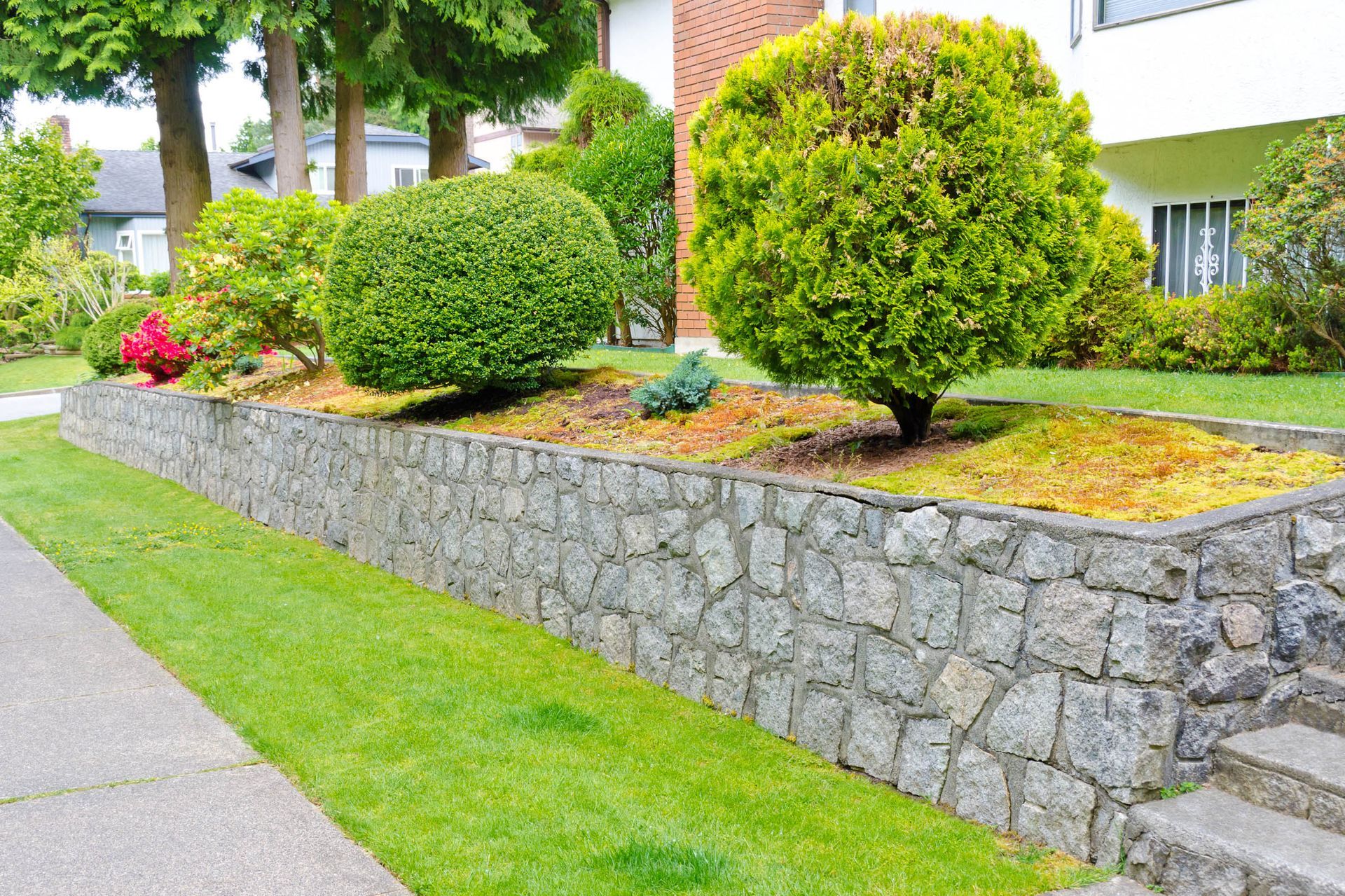
Hardscaping refers to the constructed elements within a landscape that provide structural support, delineate spaces, and enhance functionality. These elements include everything from stone pathways to wooden decks, concrete patios, and retaining walls. Essentially, hardscaping focuses on the inorganic aspects of landscaping, offering solutions that are enduring and require minimal maintenance. A well-implemented hardscape can significantly modify the flow and usability of outdoor spaces, making them more accessible and enjoyable for all users.
While landscaping is often thought of as the domain of plants and soil, hardscaping provides a counterbalance by introducing solidity and permanence to any garden or yard. Its primary purpose is to provide structure and organization, making the outdoor space not only more aesthetically pleasing but also functionally versatile. In climates where plant life might struggle to thrive year-round, hardscaping elements ensure that gardens remain beautiful throughout all seasons. Indeed, focusing on hardscaping can alleviate the level of maintenance traditionally required by plant-based landscapes.
Components and Materials Used
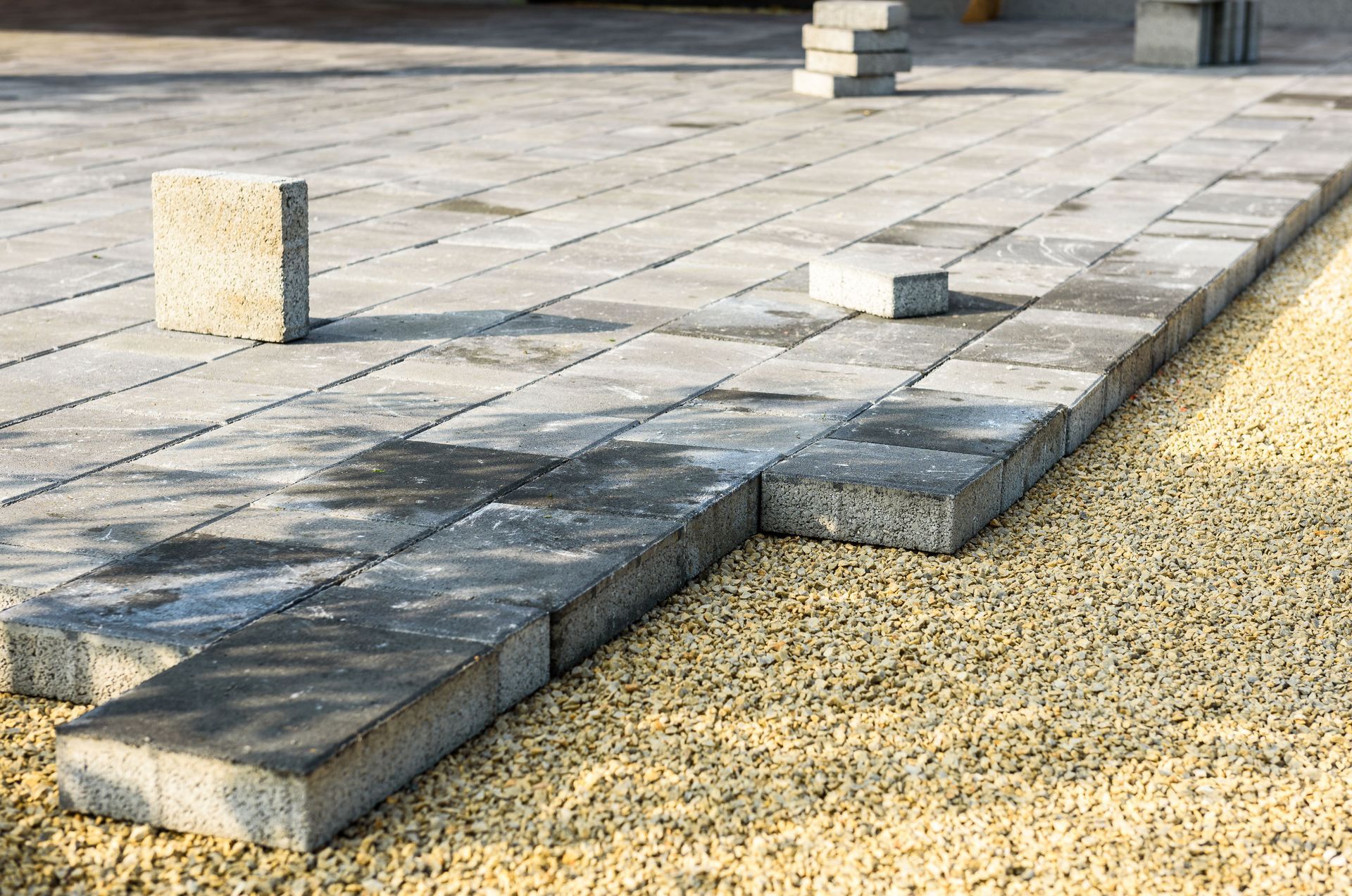
The components of hardscaping are as diverse as the materials from which they are constructed. Common hardscaping features include paths, driveways, patios, decks, walls, steps, and fire pits. These components each play a role in creating a harmonious, usable outdoor environment. Depending on the intended use and design aesthetic, different materials such as brick, wood, stone, concrete, and metal can be utilized to construct these features.
Materials used in hardscaping should be chosen based on durability, visual appeal, and environmental compatibility. For example, natural stone offers an organic look and is highly durable, making it ideal for pathways and patios. Concrete, though less natural in appearance, is often favored for its affordability and versatility in creating a variety of shapes and finishes. Wood is another popular choice, lending warmth and texture to decks and fences, though it may require more maintenance compared to inorganic options.
The Importance of Hardscaping in Landscape Design
Enhancing Aesthetic Appeal
Hardscaping plays a vital role in enhancing the aesthetic appeal of a landscape, introducing elements of texture, color, and form. Carefully selected materials like stone, wood, and metal can provide striking contrasts against the lush textures of plants, creating a visually dynamic environment. Features such as archways, pergolas, and steps add architectural interest, framing views and creating focal points that draw the eye. When strategically implemented, hardscaping offers opportunities to highlight the beauty of both the built environment and the natural landscape.
Design consistency is crucial in achieving aesthetic balance in hardscaping projects. Cohesive use of materials and repetition of similar elements throughout the landscape help create a unified design language. By aligning hardscape features with the architectural style of the home, homeowners can achieve a seamless transition between indoor and outdoor spaces, enhancing the overall aesthetic appeal. It is this synergy between structure and nature that contributes to a landscape's visual charm, increasing the enjoyment of the space for its users.
Increasing Property Value
Hardscaping not only enhances the aesthetic appeal but also increases the value of residential properties. High-quality outdoor spaces are highly attractive to potential buyers, and the inclusion of durable hardscape features can elevate the perceived worth of a property. According to Nar, effective landscaping, which includes thoughtful hardscaping, can increase a home's value by as much as 15%. By investing in a well-designed hardscape, homeowners can enjoy the immediate benefits of an improved outdoor living space and the long-term financial return through increased property value.
From functional elements like driveways and pathways to decorative features such as garden walls and patios, hardscaping improvements can greatly enhance curb appeal. A property that is visually appealing and well-maintained signals to potential buyers that they are making a sound investment. Hence, integrating smart hardscaping elements becomes a strategic move, not merely from a design standpoint but as a financial consideration. These enhancements might also expedite the selling process, as homes with appealing exteriors tend to attract more interest in competitive markets.
How to Plan Your Hardscaping Project
Assessing Your Outdoor Space
The first step in any successful hardscaping project is to thoroughly assess the outdoor space available. It's important to understand the landscape's dimensions, contours, and existing elements before making any significant changes. An assessment should consider factors such as soil type, water drainage, and sunlight exposure, which greatly impact the selection of appropriate hardscaping materials and designs. By carefully evaluating these conditions, homeowners can ensure that their hardscaping project complements the natural environment and maximizes land use.
Space usability should also be a key consideration during the assessment phase. Identifying current and desired use of space helps guide decisions about which elements to include. For example, families with children might prioritize play areas, while avid gardeners may focus on paths and terraces for easy maintenance access. Understanding these priorities ensures tailored hardscaping solutions that fulfill the unique needs of each household, promoting both functionality and enjoyment.
Selecting Suitable Materials and Designs
Choosing the right materials and designs is integral to the success of a hardscaping project. Materials must be chosen not only for their visual appeal but also for their durability, cost, and environmental impact. Stone, brick, gravel, metal, and wood all present different advantages and styles, allowing homeowners to customize their hardscape to personal preferences and functionality needs. Consideration of local climate and environmental conditions is also essential in ensuring longevity and performance of chosen materials.
Design planning should reflect the intended use and layout of the space, with careful attention to movement and accessibility. For instance, pathways should connect major areas like porches and gardens in an intuitive manner. Focal points such as fire pits, fountains, or seating areas can serve dual purposes, providing both aesthetic interest and practical function in the landscape. By blending creativity with practicality, homeowners can develop a thoughtful design plan that enhances user experience.
Hardscaping is an invaluable component of landscape design, providing structural integrity, aesthetic appeal, and functional enhancements to outdoor spaces. By integrating durable, man-made elements, hardscaping complements natural landscaping, offering long-lasting benefits with minimal maintenance requirements. Its capability to substantially increase property value—by as much as 15% according to Nar—further underscores its importance in holistic landscape planning.
This article has explored the various facets of hardscaping, from understanding its core components and materials to strategically planning and executing a project. By carefully considering factors such as space assessment, material selection, and budget management, homeowners can create sustainable, visually stunning, and functional outdoor environments. Engagement in thoughtful hardscaping ultimately enriches the quality of life through improved usability, beauty, and environmental responsibility.
As greater emphasis is placed on sustainable practices in landscape design, hardscaping continues to play a crucial role in achieving these goals. Reach out to Nature Boys Landscape & Construction today to see how we can help you!